Investigating How International Break Call-Ups Disrupt Domestic Club Form and Shift Probability Assessments in Sweden's Premier Division
Nils Schmitt · Aug 25, 2026
Investigating How International Break Call-Ups Disrupt Domestic Club Form and Shift Probability Assessments in Sweden's Premier Division
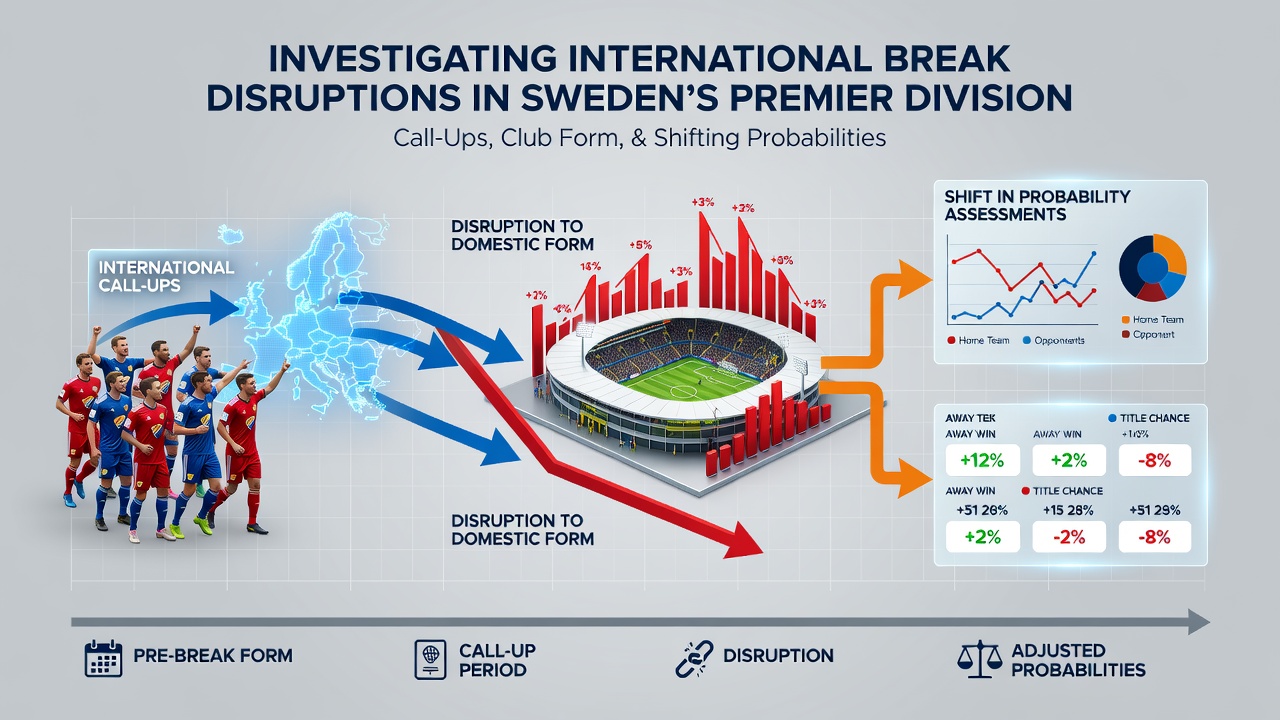
Sweden's Allsvenskan experiences regular interruptions from international breaks that pull key players away from their clubs, and analysts track these periods closely because they alter squad availability along with match outcomes. Data from recent seasons shows that clubs losing multiple starters to national teams often record lower win percentages in the immediate fixtures that follow, while teams with shallower rosters adjust lineups and training regimens in response. Observers note that these disruptions create measurable shifts in performance metrics such as goals scored, clean sheets kept, and points accumulated per game, which in turn influence how bookmakers adjust probability assessments for upcoming Allsvenskan fixtures.
Patterns of Call-Up Impact on Club Form
International windows scheduled during the Allsvenskan campaign, including the one that occurs around August 2026, typically remove players for training camps and matches that last up to two weeks, and researchers examining league records find that affected clubs display varied recovery timelines upon return. Teams with greater depth in midfield and defense maintain closer to their pre-break averages in possession and pass completion, whereas sides relying on star contributors experience sharper drops in those categories. One study of player workload data compiled across multiple European leagues revealed that athletes who travel for international duty log higher total distances and face increased injury risk upon rejoining domestic training, a pattern that Swedish clubs have managed through rotation policies and medical monitoring programs.
Clubs such as Malmö FF and AIK have documented instances where the absence of national team regulars coincided with unexpected results against mid-table opponents, and statisticians correlate these outcomes with reduced training intensity during the break plus the challenge of reintegrating fatigued players into tactical setups. What's interesting is how these form dips appear most pronounced in the first two matches after the window closes, after which performance metrics often stabilize as squads regain cohesion.
Adjustments in Probability Assessments
Betting markets respond to these disruptions because oddsmakers incorporate squad news, historical post-break results, and travel fatigue indicators into their models, and figures from Allsvenskan seasons indicate that probability assessments for home wins decrease by several percentage points when a club loses three or more regular starters. Data shows that over-under totals also shift in games involving recently returned international players, with lower goal expectations reflecting cautious approaches from both sides. Industry reports highlight that these adjustments occur rapidly once lineups are confirmed, and they reflect broader patterns observed in other leagues where national team commitments intersect with domestic schedules.
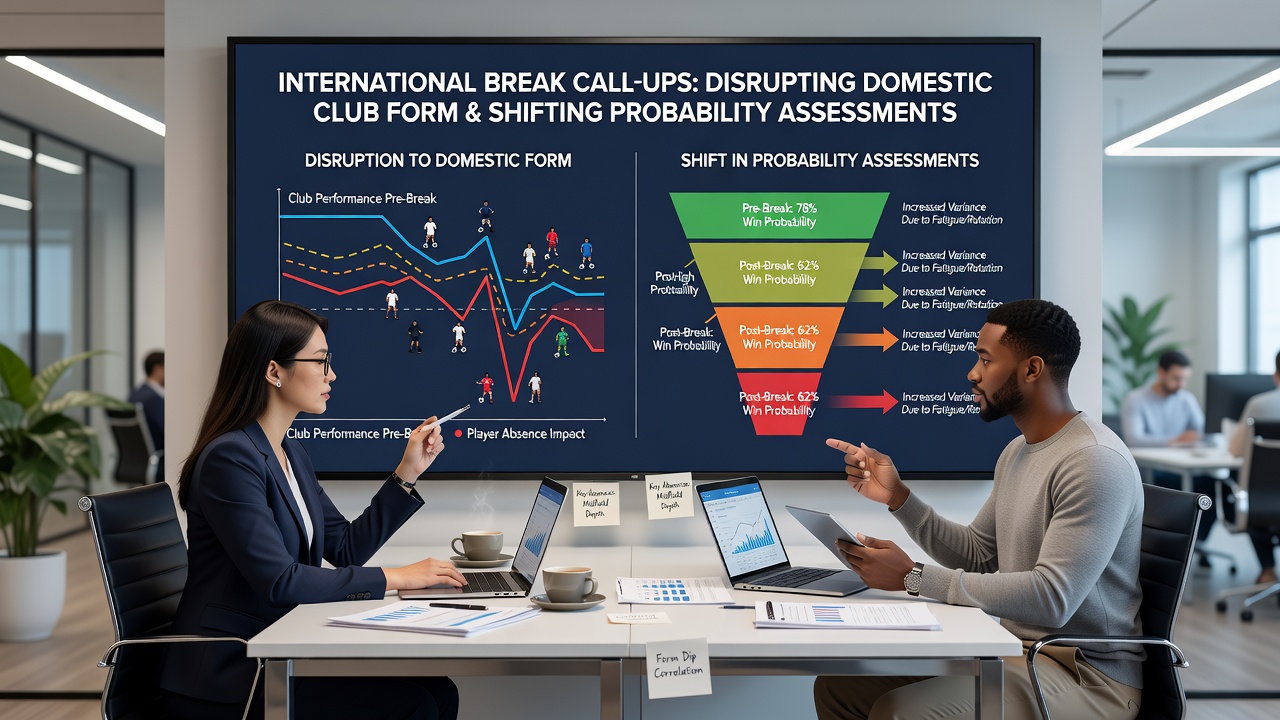
According to research compiled by the Swedish Sports Confederation on athlete recovery, structured rest protocols help mitigate some effects of international travel, yet the variable nature of call-up lists means clubs cannot always predict which players will be selected until close to the window. This uncertainty keeps probability models fluid in the days leading up to resumption of league play, and analysts update assessments as injury reports and fitness updates emerge. External data from UEFA's club competition monitoring further supports the observation that mid-season breaks create temporary imbalances that favor sides with fewer national team representatives.
Case Examples from Recent Campaigns
Take the 2025 season where several Allsvenskan teams navigated an early autumn international window and recorded contrasting results upon return, and league tables from that period illustrate how points gained or dropped influenced final standings. Researchers who reviewed match logs noted that defensive organizations suffered more than attacking units in many cases because coordination between back lines requires consistent training time. Another example involves a mid-table club that lost its primary goalkeeper to national duty and conceded more goals in the subsequent fixture before stabilizing, demonstrating how specific positional absences produce targeted effects on probability calculations.
Those who've examined betting market movements across the campaign observe that sharp changes in implied probabilities often align with verified call-up announcements rather than speculation, and this timing allows for precise tracking of how information flows into assessments. Government sports agencies in neighboring countries have published similar findings on schedule congestion, underscoring that the issue extends beyond Sweden's borders while remaining particularly relevant to the compact Allsvenskan calendar.
Conclusion
International break call-ups continue to intersect with Allsvenskan club operations in ways that alter both on-field form and the probability frameworks used to evaluate matches, and ongoing data collection helps quantify these relationships season after season. As the 2026 campaign approaches its own August window, clubs and analysts alike monitor squad compositions to anticipate the scale of any disruptions, while probability assessments evolve in response to emerging information about player availability and recovery status.